
7
Aug
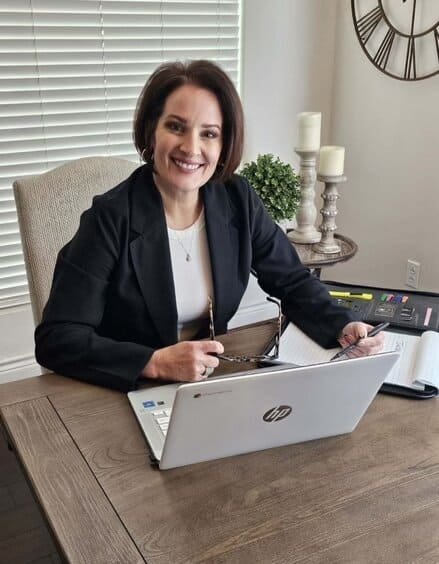

 Kayla Graves2026-05-22Working with Ms. Gina is the best decision I could have made. She is knowledgeable, efficient, and truly goes to bat for her clients. I felt supported and well-represented throughout the entire process. Thank you, Ms. Gina, for your outstanding service!
 Neya Ambalathunkal2026-05-22I cannot say enough great things about the support I received from Gina. Despite having very little notice before our meeting, she came fully prepared — she clearly put in extra time after hours to make sure we were ready. She presented herself with such calm and professionalism, and that made a huge difference for me going into a stressful situation. She advocated strongly for my daughter and helped guide the meeting toward the outcome we were hoping for. I felt supported every step of the way. If you’re a parent navigating the special education process, I highly recommend her services. We are so happy with the experience and grateful for everything she did for our family. Tucker Special Education Advocates are true to their word and have fair pricing as well. We are happy with our experience with them.
 Ayana Hutchinson2026-05-21We used Alicia Tucker Special Education Advocates to help us navigate the often confusing special education system, and the experience was outstanding. Prior to working with them, we felt like we were being given the runaround by the school district and were making little to no progress advocating for our child. Working with this advocacy company made a huge difference. They simplified the process and ensured we fully understood our child’s rights every step of the way. Our advocate, Gina, was exceptional! She attended our ARD meeting and brought a level of knowledge and professionalism that truly elevated the conversation. She helped guide the meeting, ensured our concerns were addressed, and advocated effectively for our child’s needs. Most importantly, she helped us achieve the outcomes our child is entitled to. Having someone knowledgeable and confident in our corner made all the difference. We are incredibly grateful for their support and are happy to continue our journey with them as we move forward. We highly recommend their services — 10/10 experience.
 Alexis McCurdy2026-05-20I would encourage families navigating special education advocacy to carefully consider their options before working with this organization. Our assigned advocate was switched out (or quit perhaps), and while we hoped communication and preparation would improve since Alicia Tucker herself stated she would be assisting, the experience only became more disorganized. Most concerning, Alicia Tucker attempted to reschedule our ARD meeting directly with the school district without consulting us first. These meetings are extremely difficult to coordinate, especially at the end of the school year, and changing it could have jeopardized our children’s educational plan. Despite having the meeting information weeks in advance, their team seemed unprepared and unaware of important details. We also scheduled a weekend prep meeting at their request, which my husband and I attended, only for no one to show up. Yes, they did not show up to a meeting they asked for on a weekend. Only upon us reaching back out did Alicia apologize and stated she had a family matter and couldn’t notify us. Throughout the process, we repeatedly felt like we had to justify whether we still wanted them to advocate for our boys, despite paying for these services and receiving very little actual support. In almost every interaction she actually ask will ask “if we still wanted her to advocate for the boys” as is this was not a service we paid for and that they are advertising that they provide. Ultimately, we decided to ask for a refund and will need to navigate our first ARD meeting on our own as we do not have confidence that these services are legitimate and would not cause further harm to the vulnerable.
 Dimitria King2026-05-20I cannot thank Gina Schmidt and the entire Tucker Education Advocates team enough for their support during this process for my son. Candace immediately reached out to schedule a consultation and Alicia personally contacted me to gather additional information to better support my son’s educational needs. The team moved quickly, reviewed records, communicated with the district, and prepared for my son’s ARD meeting right away. Throughout this stressful process, I felt heard, supported, and reassured every step of the way. Gina and her team have been professional, responsive, compassionate, and extremely knowledgeable. Their guidance helped me better understand my rights and advocate confidently for my son’s education and future. I am truly grateful and blessed to have Tucker Education Advocates supporting my family, and I would absolutely recommend them to any parent seeking an advocate for their child.
 Wes Machalica2026-04-30I've had a great experience with Tucker Advocacy. I really appreciate the knowledge and professionalism that Ms. Tucker and her team bring to the table and it's encouraging to know that my student is receiving the best representation in her accommodation process. Huge thanks to Ms. Tucker and her team for all the support and for helping us through the ARDs!
 Claudia Gonzalez Chavira2026-04-24I don’t know what I would have done without them ! More then a service they offer you a sincere concern for your needs! Gave me peace of mind the most important is there knowledge if the laws that protect our children! I don’t feel alone with the issues regarding my son’s rights!
 Jeff Smith2026-04-23Very knowledgeable and very professional. Highly recommended!
 kristen Padgett2026-03-03We are so incredibly grateful for Gina with Tucker Advocates. She went above and beyond advocating for our daughter and made us feel supported every step of the way. Gina is knowledgeable, professional, and truly understands special education. She came prepared, explained everything clearly, and made sure our concerns were heard and addressed. Because of her, we felt confident walking into meetings instead of overwhelmed. What stood out most was how much she genuinely cares. She fought for what was appropriate for our child and didn’t back down when things got tough. Having her on our side made all the difference. I highly recommend Gina and Tucker Advocates to any parent who needs strong, compassionate advocacy for their child. We couldn’t have done this without her!
 Heather Coots2026-02-27I’m truly grateful for Mrs.Garza and all she did to help my children in need of help! She has fight and made sure my children gotten there iep and Accommodations for my children that are in need if it wasn’t for her, I would still be at square one. They’re truly amazing and I’m grateful for everything.